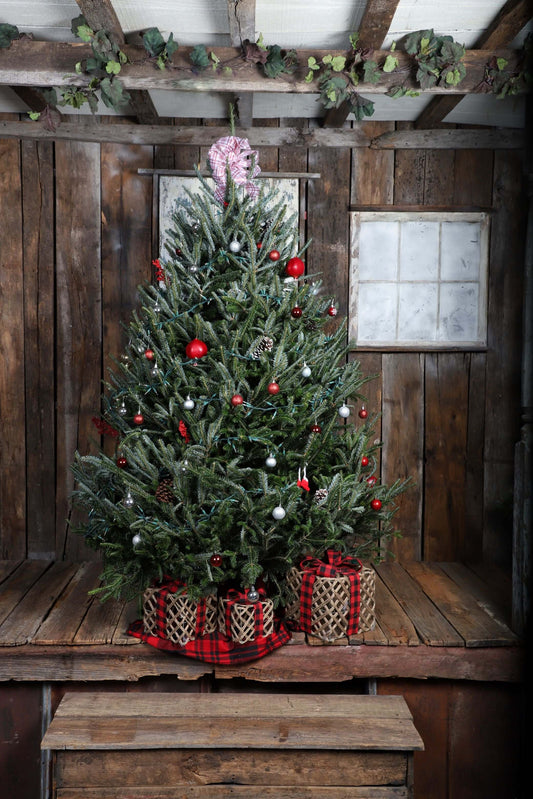
Turn Holiday Greenery into Ready-to-Buy Decor Looks
Turn Holiday Greenery into Ready-to-Buy Decor Looks
Holiday customers are often shopping under pressure. They want their homes to feel warm, festive, and polished, but they do not always have the time or energy to compare every wreath, garland, ribbon, pick, and accent piece separately.
That creates a major opportunity for retailers.
Instead of merchandising each product as a standalone item, stores can create coordinated holiday decor sets that help shoppers see the full picture right away. A wreath, matching garland, and a few finishing accents can become more than individual products. Together, they become an easy decorating solution.
This approach helps customers make faster decisions, gives seasonal displays more impact, and encourages higher-value purchases without making the shopping experience feel complicated.
For retailers working with limited floor space and a short holiday selling window, curated greenery sets can make the assortment feel more organized, more inspiring, and easier to shop.
Below, we’ll explore how coordinated wreath and garland collections can support stronger seasonal sales, better displays, and more flexible inventory planning.
1. Selling the Complete Look Can Raise the Total Purchase
Customers are more likely to buy when they can clearly understand how products work together. When a wreath is shown beside a coordinating garland, ribbon, lights, or decorative picks, the shopper does not have to imagine the final result on their own.
The display already does that work for them.
This changes the buying decision. Instead of asking, “Should I buy this wreath?” the customer begins thinking, “This would look great on my front door, mantel, or staircase.” That shift matters because it moves the purchase from a single item to a complete seasonal decorating idea.
A grouped set can also make the price feel easier to understand. Rather than adding up several separate products, shoppers see one complete option with a clear purpose. Even when the total spend is higher, the purchase can feel more worthwhile because it solves a larger decorating need.
This strategy can also help retailers sell through supporting items. Smaller accessories, ribbons, picks, and light strands may not always stand out on their own. But when they are styled with popular greenery, they become part of the finished design.
That gives retailers a way to increase basket size while making the purchase feel helpful instead of forced.
2. Create Collections Around Styles Shoppers Recognize
The most effective holiday sets are built around a clear visual direction. Shoppers should be able to understand the look immediately.
For a broad customer base, classic Christmas styling is always a strong choice. Full evergreen wreaths, lush garland, red ribbon, berries, pinecones, and traditional accents create a familiar holiday look that many shoppers already love.
These collections work well because they feel timeless and easy to place in the home.
Retailers can also build more updated collections for shoppers who prefer a cleaner or more elevated style. Think soft greenery, eucalyptus-inspired textures, neutral ribbon, gold accents, champagne ornaments, or simple metallic details. These looks appeal to customers who want holiday decor that feels stylish but not overly busy.
The goal is to make each collection feel intentional.
A customer should be able to look at the set and quickly understand the mood: classic, rustic, elegant, natural, modern, or festive. When the style is clear, the decision becomes easier.
Strong holiday collections help answer one of the biggest questions shoppers have: “Will this all work together?” When the answer is obvious, customers are more comfortable buying multiple pieces at once.
3. Show the Decor in a Way Customers Can Picture at Home
Presentation is what turns a group of products into a compelling seasonal story. Simply placing wreaths, garlands, and accessories near each other is not always enough. The display should show customers how the pieces can be used.
A wreath hung above a styled shelf, fireplace-inspired display, or entryway setup can instantly communicate the full idea. Add matching garland, ribbon, lights, or decorative accents, and the customer can picture the same look in their own space.
That kind of visual merchandising makes the set feel achievable.
Signage should also guide the shopper. Instead of labeling products only by category, use phrases that describe the finished result. Examples include “Front Door Holiday Look,” “Mantel Decor Set,” “Staircase Greenery Collection,” or “Classic Christmas Entryway.”
These kinds of labels make the purchase feel more purposeful.
For smaller stores, this approach can be especially useful. A single styled display can show several products at once without taking up too much floor space. It allows the retailer to present a stronger story with fewer separate displays.
It also makes seasonal updates easier. As certain items sell through, retailers can refresh the look by swapping in new ribbons, picks, lights, or accent pieces while keeping the same overall merchandising concept.
4. Keep Holiday Sets Easy to Adjust with Wishon
Many retailers like the idea of coordinated holiday sets but worry about inventory balance. One item may sell faster than the others. A certain ribbon may not perform as expected. A garland style may need to be restocked quickly while other pieces are still available.
That is why flexibility matters.
Wishon’s wholesale approach gives retailers the ability to build their own combinations using wreaths, garlands, and add-ons that fit their customers. Rather than being locked into a single pre-packed arrangement, retailers can choose the products that make the most sense for their store.
This makes it easier to test different seasonal looks.
A retailer may start with a traditional red-and-green collection, then add a neutral or metallic option based on customer interest. If one combination performs especially well, the individual components can be reordered. If another needs to be adjusted, the retailer can change the accent pieces without abandoning the entire display.
That kind of control is valuable during the holiday season, when trends, foot traffic, and customer preferences can shift quickly.
With the ability to mix, match, and replenish individual items, retailers can use coordinated sets as a flexible selling strategy rather than a rigid inventory commitment.
5. Add Finishing Pieces That Feel Useful, Not Pushy
A strong holiday set creates a natural opportunity to increase the sale. The key is making the additional items feel like part of the decorating solution.
Customers do not want to feel like they are being talked into unnecessary extras. They do, however, appreciate suggestions that make their decor look more complete.
That is where add-ons can be especially effective.
A wreath and garland pairing can be elevated with pre-wired lights, premium ribbon, decorative stems, ornaments, bows, berries, pinecones, or other seasonal accents. These finishing touches help customers personalize the look while giving the retailer an easy way to increase the value of the purchase.
This also gives store staff a more natural way to guide shoppers.
Instead of recommending random accessories, associates can point to a complete design and explain how each piece contributes to the final look. That feels more helpful and less sales-driven.
Clear pricing is important here. Customers should understand what is included, what is optional, and how the pieces work together. When the value is easy to see, shoppers are more likely to add the extra items with confidence.
The Takeaway for Seasonal Retailers
Coordinated wreath, garland, and accessory sets can help retailers make holiday shopping easier, faster, and more inspiring for customers.
They allow shoppers to buy a finished look instead of building one from scratch. They also help retailers create stronger displays, increase average purchase value, and give supporting products a clearer role in the assortment.
With Wishon, retailers have the flexibility to build, test, adjust, and restock seasonal combinations throughout the holiday selling period. That makes it easier to respond to what customers are actually buying while keeping displays full and cohesive.
A thoughtful holiday greenery strategy does more than decorate the sales floor. It helps customers feel confident, gives products more selling power, and allows retailers to make the most of a short but important season.
Retailer Questions About Holiday Greenery Sets
1. How early should stores start displaying coordinated holiday sets?
Retailers should introduce them near the beginning of the holiday selling season. Early placement gives shoppers a convenient decorating option before the busiest shopping weeks arrive.
2. Can this strategy work in smaller stores?
Yes. Smaller retailers can benefit because one well-planned display can tell a complete decorating story without requiring a large amount of floor space.
3. Do these sets have to include a price discount?
No. A discount is not always needed. Many customers are willing to buy coordinated sets because they save time, look polished, and make decorating easier.
4. How many different looks should retailers offer?
Three to five options is often enough. This gives shoppers variety while keeping the decision simple and the display easy to manage.
5. Can these holiday sets be sold online too?
Yes. Coordinated greenery sets work well on websites, social media, email campaigns, and seasonal landing pages because they photograph well and present a clear decorating idea.
6. What is the best way to choose products for a set?
Start with a strong main item, such as a popular wreath or garland. Then add pieces that complete the look, such as ribbon, lights, picks, bows, or decorative accents.